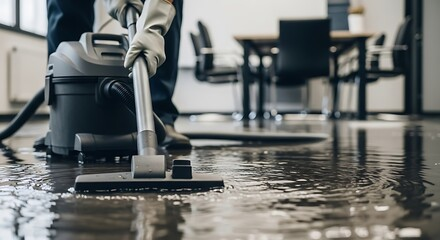
Water damage is a common threat caused by flooding, clogged pipes, or heavy storms. It can ruin personal belongings, cause structural damage to homes and businesses, and lead to mold.
Fortunately, early water damage restoration can prevent severe mold growth. It involves identifying warning signs, cleaning and drying affected materials, and using specialized equipment. Contact Water Damage Restoration Utah for more information.
Moisture
Molds are part of the natural environment and serve a purpose outdoors, breaking down dead organic matter. Indoors, however, molds can cause health problems and damage the structure of a home. Molds are spread through airborne spores and can grow on surfaces that are wet. The best way to prevent mold growth is to dry water-damaged areas and materials within 24 hours. This is why it’s so important to work with a restoration company that specializes in water damage and can provide prompt response and effective remediation.
Mold starts growing as soon as moisture settles in a home after flooding or leakage. Carpet padding, drywall, wood framing, and furniture start absorbing the moisture, which can result in mold development within 24 to 48 hours. The longer the area remains wet, the more severe the damage and potential hazards to human occupants.
Moisture lingering inside a property also makes it more difficult for professionals to dry and disinfect the affected area. This prolongs the restoration process and increases the chances of future mold and mildew growth, which can aggravate allergies, irritate respiratory conditions, and cause other health issues.
Professional water damage restoration companies use moisture detectors to identify areas of high water contamination, including hidden areas where odors and bacteria can hide. The technicians then extract and remove standing water with powerful pumps to reduce drying time and the chance of future damage. Industrial fans and dehumidifiers then dry the building materials that were saturated by moisture, eliminating hidden bacteria, odors, and contaminants.
Once the moisture has been removed, the area is then thoroughly cleaned, sanitized, and deodorized. Professionals also replace any damaged materials, like drywall and insulation. Items that can’t be saved are disposed of safely, in accordance with local and federal environmental standards.
If you suspect that your home has been exposed to excessive moisture or are experiencing water damage, contact The Brickkicker immediately. Their team of certified restoration specialists can pump out the water, dry your house, remove mold spores, and perform comprehensive inspections to prevent moisture from causing further damage.
Organic Materials
Mold requires food, water and oxygen to grow. It also needs a comfortable temperature for growth and reproduction. Usually, molds decompose organic material and recycle nutrients in a home or building’s environment. They eat things like dirt, plant matter, dead skin cells, wallpaper glue and some paints. Molds produce spores that can germinate on a surface and cause new mold growth.
Most people know that the most dangerous household molds are black or green in color and emit a musty odor. They can produce mycotoxins, which are a group of poisonous molecules that can affect human health. However, there are many other dangerous molds that can also occur after water damage. Cladosporium, for example, is one of the most common molds to develop after water damage. It is known to produce respiratory and sinus problems. It is also known to trigger allergies.
Another dangerous mold after water damage is Stachybotrys, often referred to as “black mold.” This is a serious problem because it can produce mycotoxins in large amounts and can cause death in humans or animals. It is also known to cause severe allergic reactions and respiratory distress in humans.
In addition to proper housekeeping and climate control, moisture control is the most important factor in preventing the formation of mold. A dehumidifier can remove excess moisture from the air in a house or business and prevent mold growth. A professional cleaning company can also clean and disinfect surfaces affected by water damage, utilizing the recommended products in EPA’s Mold Remediation in Schools and Commercial Buildings or other guidelines from industry or government organizations.
After the water has been removed, it is necessary to dry out the area as quickly as possible to prevent mold from growing. A professional water damage restoration company can use a dehumidifier to remove the excess moisture from materials like carpet padding, drywall and insulation. They can also use a chemical such as sodium hypochlorite (bleach) to clean mold-infected surfaces. However, it is very important to follow the directions for proper use of bleach or other chemicals to avoid toxic fume inhalation.
Temperature
In general, mold grows faster in warm and humid weather. As a result, it is especially important to take proactive steps throughout the year to prevent and address unwanted mold growth in your clients’ homes. Using dehumidifiers, sealing air leaks, and maintaining proper ventilation can significantly reduce humidity levels and make it difficult for mold to thrive in the home.
The temperature of the environment can also affect how quickly mold spores become active, which plays an important role in how fast water damage becomes an issue and ultimately how effective water damage restoration is. Mold spores typically activate within 24 hours after contact with moisture, so it is crucial that professionals address any and all water damage incidents promptly to prevent further contamination.
In a recent study, researchers used the fungus Cladosporium cladosporioides to test how temperature can impact the germination and viability of the spores when exposed to wet-dry cycles. They compared the spores’ tolerance to wet-dry cycles at two different temperatures and three relative humidity (RH) levels. The results showed that RH did not have a significant impact on spore viability, but that the sensitivity to moisture levels was much greater than the sensitivity to temperature.
This finding suggests that the sensitivity to moisture levels is more important than the need for a low temperature in indoor environments, which can be costly and challenging to achieve in commercial buildings and other spaces with a high amount of moisture and organic materials. In addition, the study indicated that the sensitivity to wet-dry cycles tends to increase over time for the same organism under the same conditions, indicating that the need to control moisture levels is much more important than the need to maintain a low temperature.
Educating your clients on how temperature can affect mold growth and providing recommendations to minimize moisture in their homes is critical for preventing unwanted mold. It is recommended to use dehumidifiers in the home during the summer to keep moisture levels under control and ensure that porous surfaces like wood framing, paper-faced drywall, and carpeting absorb moisture as efficiently as possible. Also, regularly inspecting the home for moisture sources and signs of water intrusion, such as musty odors or damp areas, can help homeowners identify problems early on.
Time
Mold spores are always present in the air, both indoors and outdoors. But when they encounter moist conditions like a leaky roof or flooded basement, they can start to grow. Once established, mold can eat organic materials and even damage building materials. It can also release mycotoxins into the air, causing symptoms like skin irritation and respiratory issues in people with allergies or respiratory conditions.
Mold growth is most common during summer, when outdoor humidity seeps inside and steady warmth provides the ideal conditions for its survival. The combination of high humidity, constant temperatures and cellulose-rich materials like drywall paper or dust is known as the “mold growth triangle.”
Once indoor humidity passes 70 percent, condensation may occur on cold surfaces such as windows, walls and ceilings. Water from rain or surface or groundwater can seep through foundation drainage or through cracks in basement floors. Once the moisture reaches porous materials such as carpet, drywall or insulation, mold can start to grow within 24 to 48 hours.
During this time, the first visible signs of mold growth may begin to appear on porous materials like cardboard and fabric. Mold spores begin germinating on the surface and forming thin cellular strands called hyphae, which penetrate organic materials and absorb nutrients. Once the hyphae become mature, they produce new spores at their tips and disperse them into the air.
After about a week, the hyphae reach the top of the organic material and establish a mold colony. The hyphae then grow down through the material and create a mycelium, the fungus’s main body that’s visible to the naked eye. The mycelium then produces spores that disperse into the air again.
Once the mycelium is established, it can take weeks to months for the spores to mature into a fully grown and active mold colony that begins producing mycotoxins in the air. Symptoms of exposure to mold can include coughing, sneezing, irritated eyes and skin, and respiratory problems in people with allergies or asthma. The longer the mold is allowed to grow, the more extensive and damaging it can be. It’s vital to act quickly after a water damage disaster to remove standing water, dry the affected area and disinfect to prevent mold growth.